MC is usually caused by the long-term use of anthraquinone laxatives, such as senna, rhubarb, aloe, rhamnus, and frangula.1,2 MC, which is common in people who suffer from long-term constipation, is a benign, reversible entity and can be gradually improved over one year after stopping the use of laxatives.2 It has been found that MC could be formed in a few months and could then return to normal within several months after discontinuing the use of laxatives.3 MC was discovered by Cruveilhier in 18294 and is frequently found in the cecum, colon and rectum but is rarely seen in the ileum and jejunum.5 However, Chaudhary et al.6 showed that MC could also involve the duodenum, ileum and jejunum
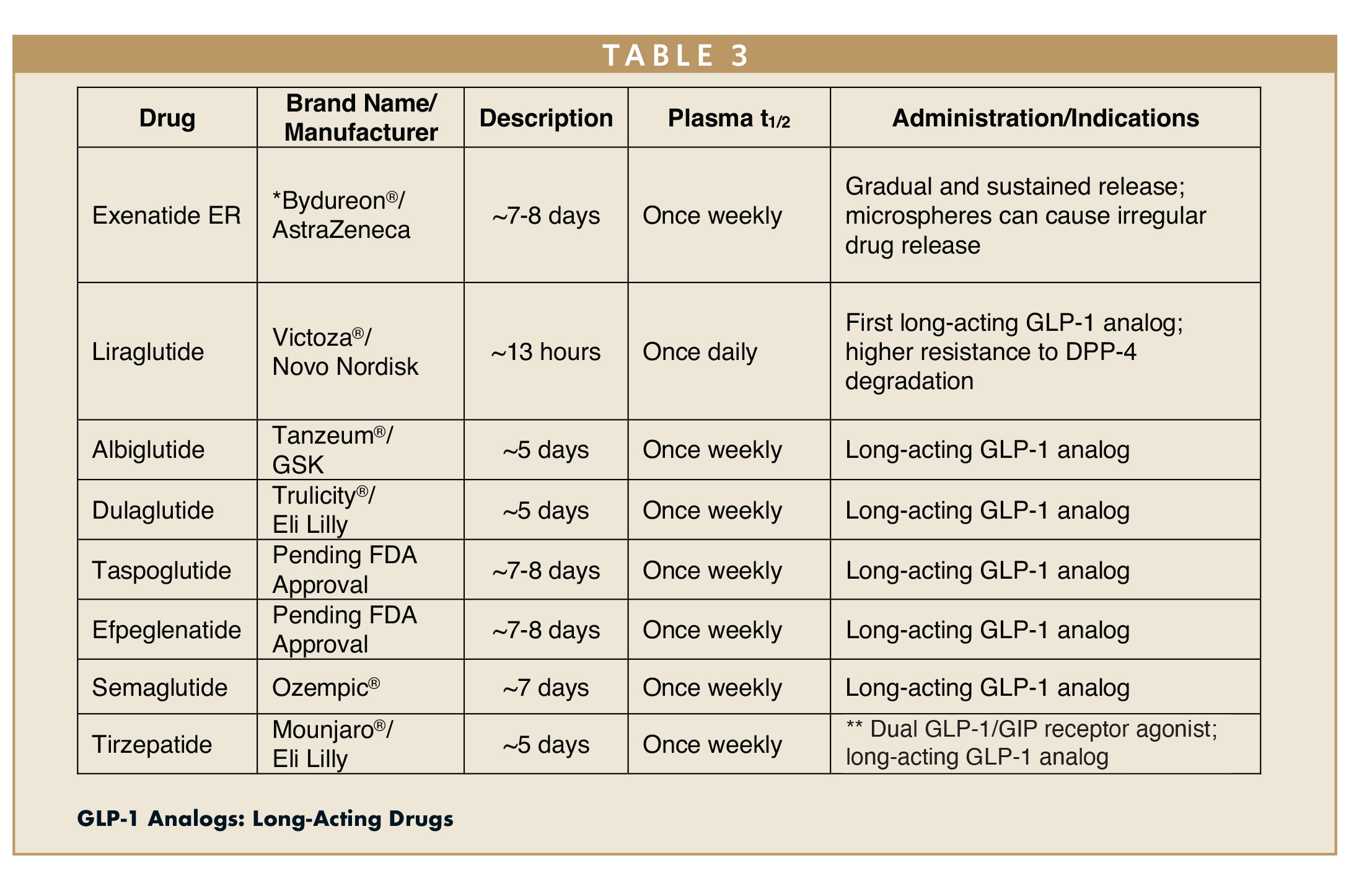
In a Phase 2 trial, weight loss with the CagriSema combination reached approximately 15.6%, compared with cagrilintide monotherapy at ~8.1% and semaglutide monotherapy at ~5.1%
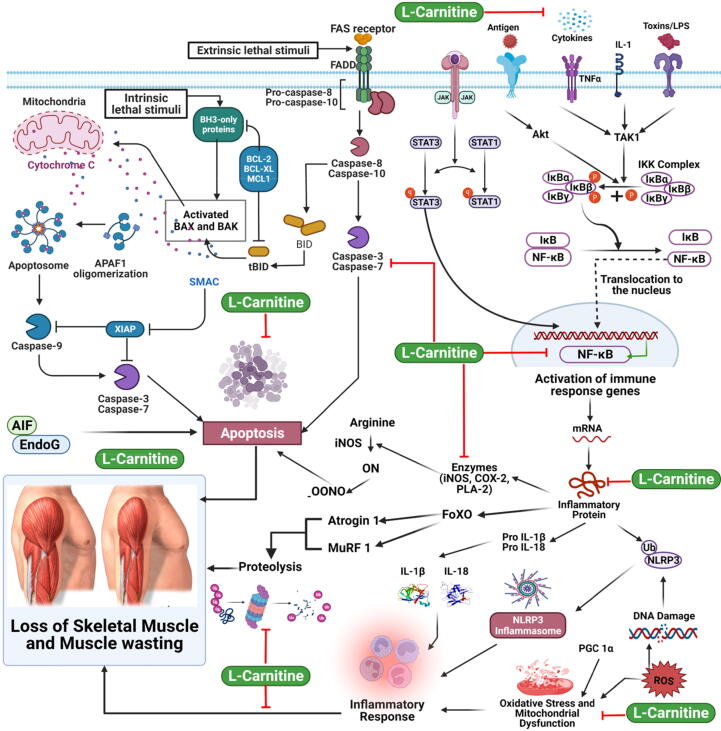
Free radicals are molecules that are potentially toxic to cells
Protein Cell 5 (10), 737749







:max_bytes(150000):strip_icc()/GettyImages-1299286851-18ab6e02931940ad963dda93851b6dc7.jpg)



:max_bytes(150000):strip_icc()/Health-GettyImages-1675158771-70640c9fdf1b41078975cfc3fd538a6b.jpg)




![SUNX REEN LASER MARKER LP-G050 Laser Marker [s1115511551] Medical Equipment](https://cdn.shopify.com/s/files/1/0712/7370/9816/files/i-img1200x900-1701131549hsh52s2885468.jpg?v=1753167721)

